
Our Team
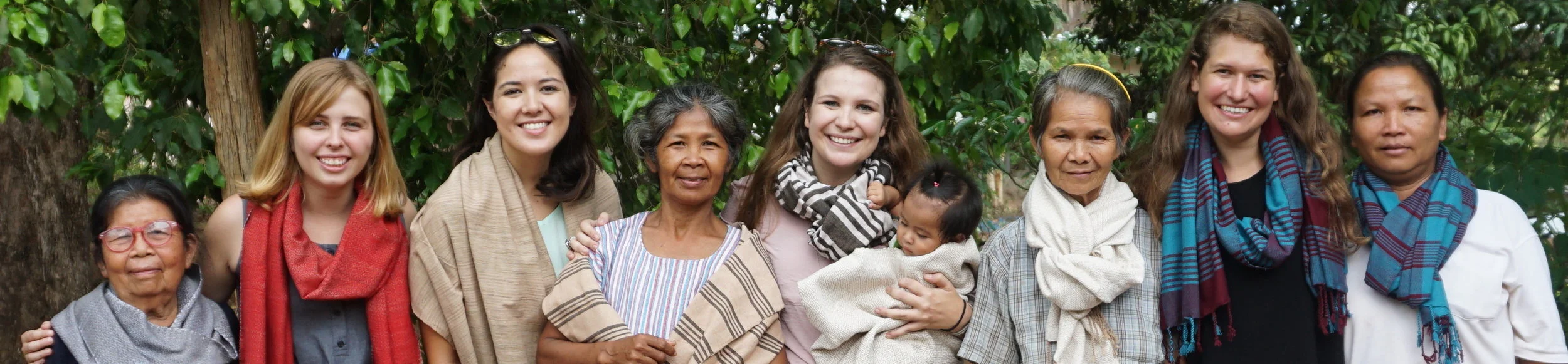
The Radical Grandma Collective began as a collaboration between four women from the U.S. and the radical grandma activist-weavers in Loei, Thailand in 2016. The collective sought to bring the grandmas’ hand-woven scarves to an international market, raising funds to support the community’s struggle against the nearby gold mine. Our efforts have since expanded, and RadGram is now an organization that works in solidarity with human rights defenders across Thailand. Our name says it all—in Thailand, the grandmas are doing all of their own weaving, organizing, and fighting. Our role is to bring their stories to you.
Our Partners
-
![]()
Khon Rak Baan Kerd ("KRBK")
Khon Rak Baan Kerd stands for People Who Love Their Hometown. KRBK is a village-based organization that was formed to resist the gold mine in Loei province in 2008. They represent six different villages in the Khao Luang Subdistrict, Wangsaphung District, in Loei, Thailand. KRBK organizes community members to resist mining and restore the land and people impacted by 15 years of mining and struggle. The weaving group is a part of KRBK and was formed to fundraise for the movement in 2009.
RadGram formed a partnership with the KRBK weaving group in 2016 to bring their products to a larger market and to fundraise for KRBK’s organizing efforts.
-
![]()
Dong Ma Fai ("DMF")
The Khao Lao Yai-Pha Chan Dai Community Forest Conservation Group (Dong Mafai Community) has been at the forefront of limestone mining resistance for the past 30 years. Community leaders have been fighting to protect their environment, health, and local livelihoods. RadGram began our partnership in 2022 to craft a unique tourism initiative.
-
![]()
Building Restorative Culture Thailand ("RCCT")
Women-led network of academics, journalists, lawyers, communities, and NGOs working to create a national framework of holistic restoration to heal wounds created by extractive industry
-
![]()
Protection International ("PI")
PI is an international NGO focused on security of human rights defenders, capacity building, and policy advocacy. Their Thailand team works closely with PPM (see below). When human rights work becomes dangerous, and individuals have their safety threatened, PI works with frontline communities to develop collective protection strategies to keep people safe. PI’s team primarily consists of women who work closely with women human rights defenders (WHRDs) in Thailand and create safe spaces for people to share stories and connect culture and gender to defense work. RadGram collaborates with PI on strategies within the larger scope of the movement work in Thailand.
-
![]()
Campaign for Public Policy on Mineral Resources ("PPM")
PPM is a Thai-based NGO that supports communities impacted by extractive industries, especially mining. The team is full of young, university-educated organizers who move from community to community, working directly with local human rights defenders to build capacity and strategy. Ultimately, they help local people create campaigns and push for systemic change in Thailand.
PPM is the local NGO organizer with the closest relationship to KRBK (see below) and other communities with whom RadGram collaborates. They provide strategic direction for how RadGram can achieve its mission.
-
![]()
Numgunde
Numgunde is a women-owned business run by two Khon Kaen university graduates that creates handmade bags and gifts. They specialize in quilting and bright patterns and sell their bags in Thailand, Singapore, Hong Kong, and Taiwan. They support RadGram through integrating hand woven cloth made by radical grandmas into bags durable for everyday use.
-
![]()
Golden Land Solidarity
Goldenland Solidarity is an organization dedicated to fostering social change and community empowerment in Myanmar and Thailand. They collaborate with community-minded artisans to sell goods and provide support for grassroots projects and mutual aid efforts. Their focus is on creating a new economy that prioritizes the livelihoods of artisans while working towards positive social transformation. The collective places a special emphasis on empowering women, recognizing them as frontline fighters for social change, and ensuring their inclusion in decision-making processes. By bringing together artists and artisans from diverse backgrounds, Goldenland Solidarity aims to promote unity and solidarity among different communities through art and goods. They do online orders and sell at a small shop based at the Loft Cafe in Chiang Mai.



Our Staff
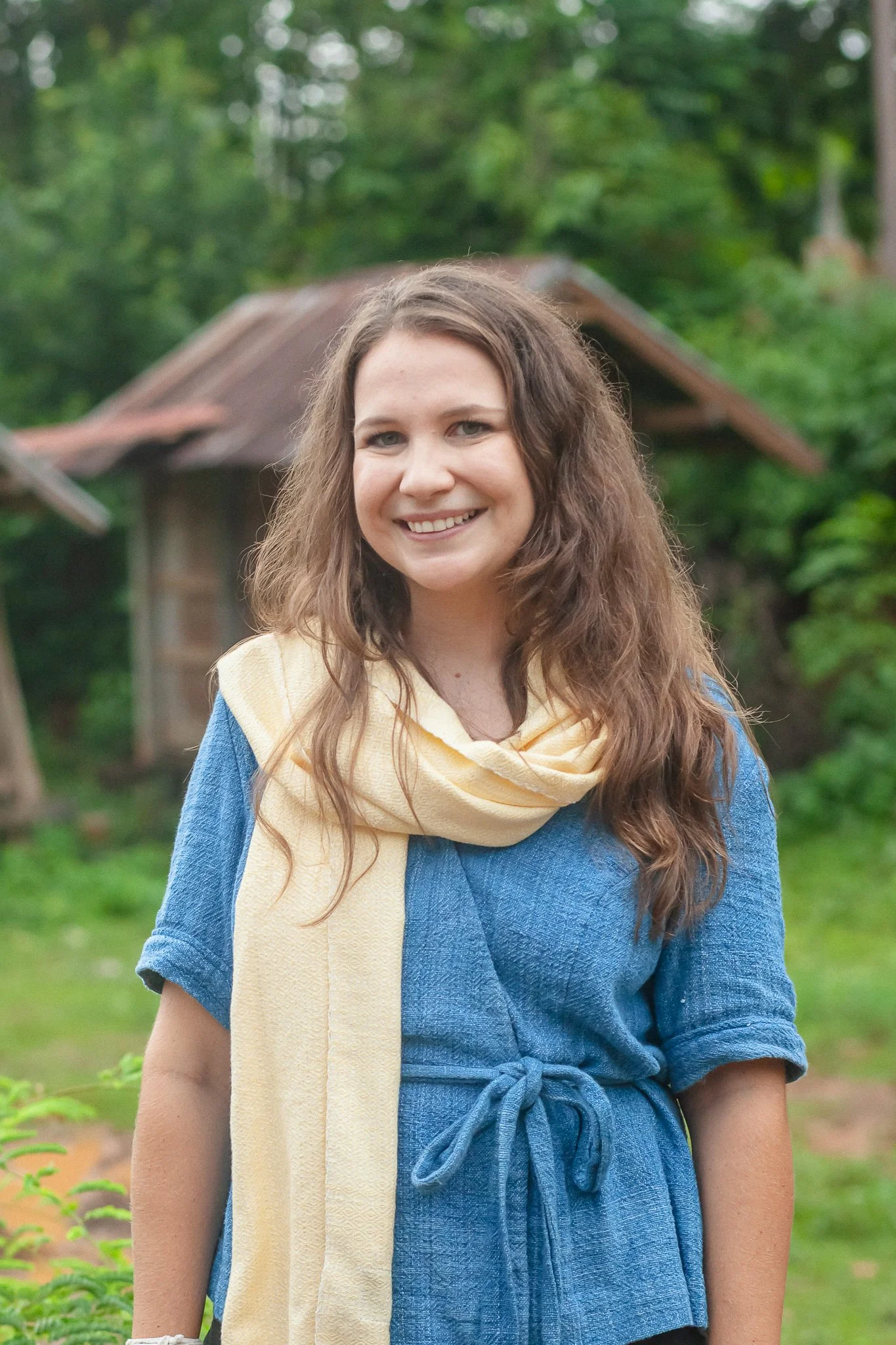
Becky Goncharoff - Executive Director and Co-Founder
Having lived in Thailand for nearly a decade, she uses her understanding of Thai human rights defense, social movements, and experiential education to carry out the mission of the organization. Becky holds a Master’s Degree in International Relations from the University of Chicago and a Bachelor's Degree in Political Science from Transylvania University. In addition to her work as the Executive Director, Becky also teaches as a Lecturer in the Faculty of Political Science at Thammasat University in Bangkok.
-
2024 was a take-off year for us as an organization. We launched two projects we’d been dreaming about for some time (researching the mental health impacts of mining and the Weaving School) and doubled the size of our team. As we’ve brought on more staff, I’ve had what makes RadGram’s work distinct from other NGOs reflected back at me. We’ve been working with most of our partners for over 10 years. The context, the relationships, the nuance of how to work on a grassroots level with communities impacted by trauma and culturally distinct from urban, Bangkok office culture is hard to learn fast. Having to explain how we work at the community’s pace, how our decisions are made based on their needs in the moment and can change multiple times when the community context shifts. This can be frustrating for folks used to a standardized, timeline-based approach to work. We need to move a meeting we’ve prepared weeks for because there's a funeral in the village and everyone will be busy preparing and paying respects for 3 days. We want to plan a restoration event where we plant trees on a former mining site and invite outsiders to bring more attention to restoration, so we need a date so people can prepare their travel arrangements, but if there isn’t enough rain in the weeks before the planting event, the trees won’t grow. Understanding that what feels priority to us, and feels priority to our partners is different, and deferring always to their needs is specific to grassroots organizing. For me, it’s what makes our work actually radical – working at the root of the problem and moving power to those impacted most directly.
When I reflect on our work, the moment that made me re-examine our direction was during one focus group. Our board member, and my dear friend, Dr. Larissa Gaias took a sabbatical from her academic job in the US to lead us in researching the psycho-social impacts of mining in Loei in the first half of 2024. The focus group was composed of a senior leader of Khon Rak Ban Kerd Loei (KRBK) who had stopped fighting for nearly 10 years and 3 community youth whose parents were deeply involved in the struggle to close the mine when they were children. The youth described how they felt they had less of a connection to the land because they didn't spend as much time working on it with their families, as their parents were often protesting, traveling to court, or in meetings rather than bringing their children to the fields. The youth felt pushed by their families to find a way to make a living outside of their home because local livelihoods were so compromised by contamination. Elder generations around the world bemoan that their children do not know the world as they do, or respect the knowledge that they’ve cultivated. By listening to the youth in that focus group, I realized in Loei this is one of extraction’s impacts.
The young people grieved not knowing the trees, the ferns, the bamboo shoots as specifically as their grandmothers know them, not having lived experience in the community before the gold mine opened. It was a profound moment as the former KRBK leader listened to their perspective. Elders in the movement routinely talk about the sacrifices they make for the next generation to be able to live safely on the land, but as the next generation comes of age to lead the movement through restoration we need to take time to understand what they sacrificed as well, and the future they imagine for their community.
The weaving school is a small step to repair these gaps in experience. Youth are learning how to identify which plants can be used for natural dyes and what techniques allow yarn to retain its hue. 80 year old grandmas are teaching their 9 year old great-granddaughters the knowledge they’ve learned. Now that the mine has closed, they have time to organize around restoring what matters to them and their future on the land.
As our small organization grows, the work becomes more complex to manage, more expensive to fund, and requires us to expand our capacity to support communities in restoration. It’s also become much deeper, more meaningful, and more inclusive of different perspectives working with us to imagine a future where communities have dignity on their land. Being a part of grassroots movements is the hardest thing I’ve ever done, and the most healing experience I’ve had. I’m grateful to still be here and I’m confident, this is still a beginning.
In solidarity,
Becky Goncharoff
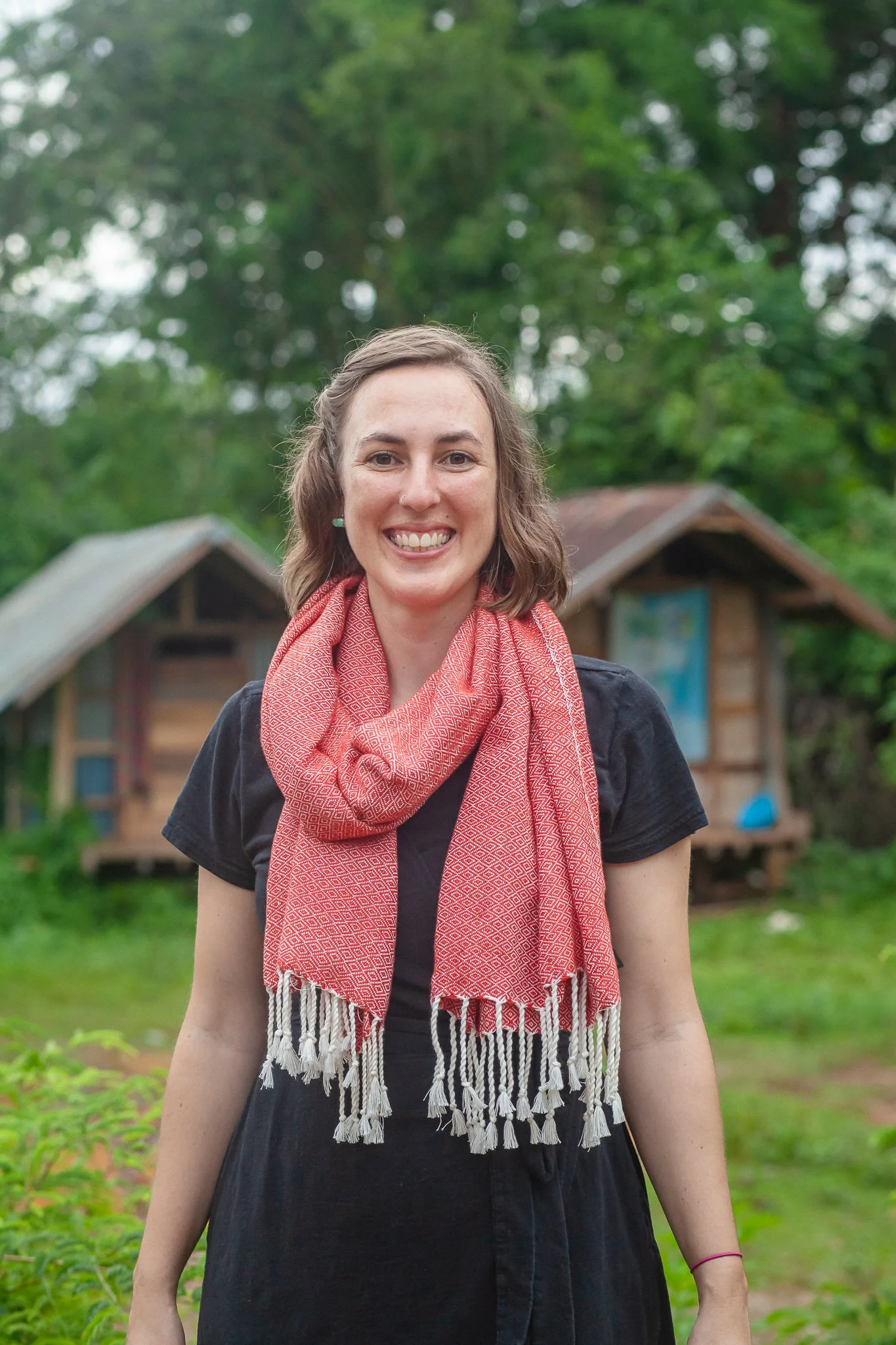
Sam Ryals - Director of Operations
Sam joined the RadGram team in 2016. She manages the operations and social enterprise aspects of the organization along with Becky. Sam uses her decade of grassroots organizing and project management to ask big questions and dig into the details necessary to accomplish our objectives.
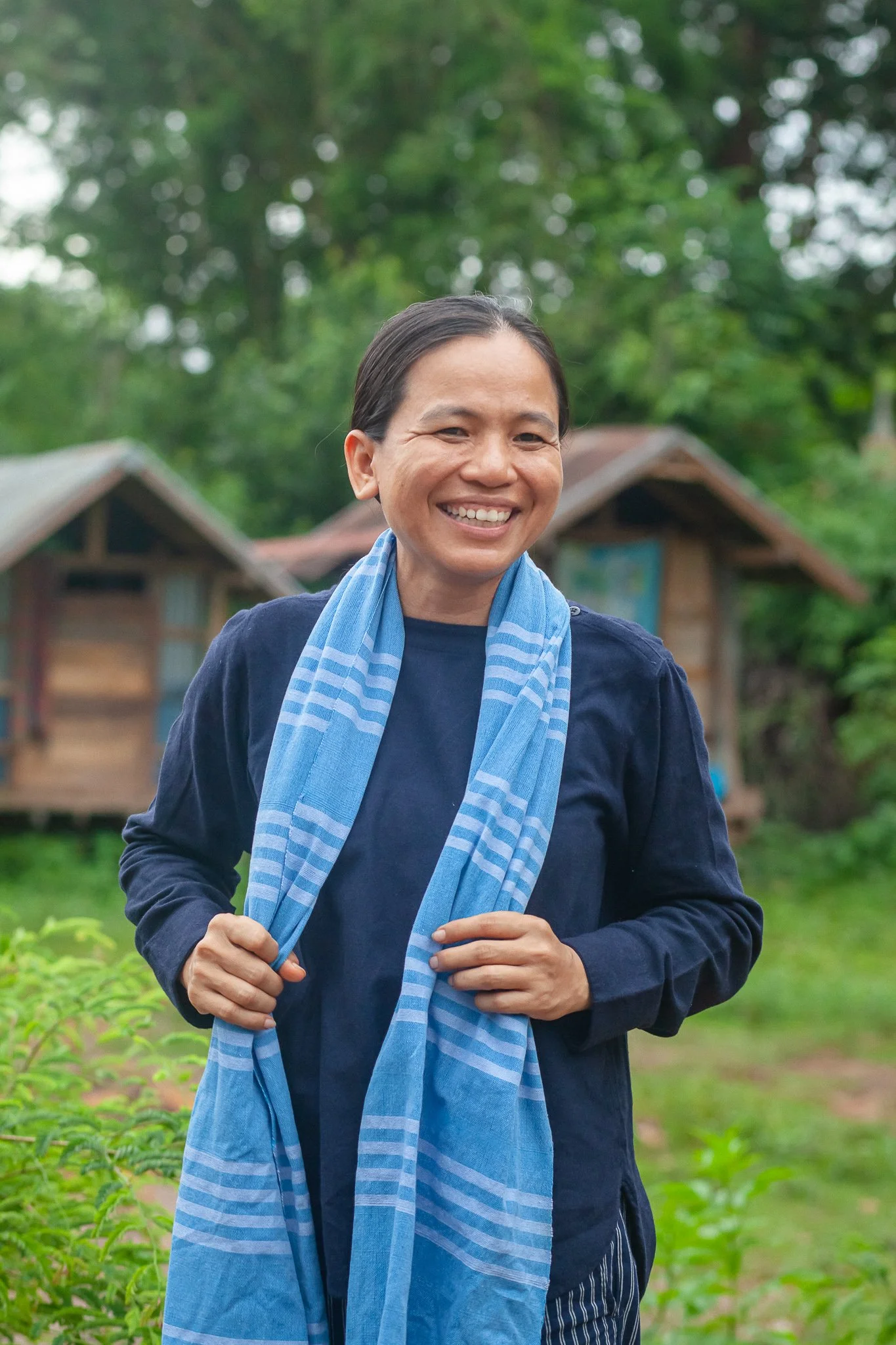
Bampen Chaiyarak - Community Impact Coordinator
Bampen Chaiyarak holds a Master’s degree in Anthropology from Silpakorn University, Bangkok, Thailand. She has experience working on environmental issues as a researcher and works on the ground with communities in the Northeast of Thailand and the Mekong region. She spends time developing effective communication for contemporary environmental issues and uses the data collected in the field to inform her work on resource management and ecological restoration projects.
-
“Shut Down the Mine — Restore the Land.”
This phrase immediately came to mind when writing my annual community impact update. These two short slogans on small green campaign signs are beside the road throughout the Na Nong Bong village—testaments to nearly two decades of struggle by the community movement.
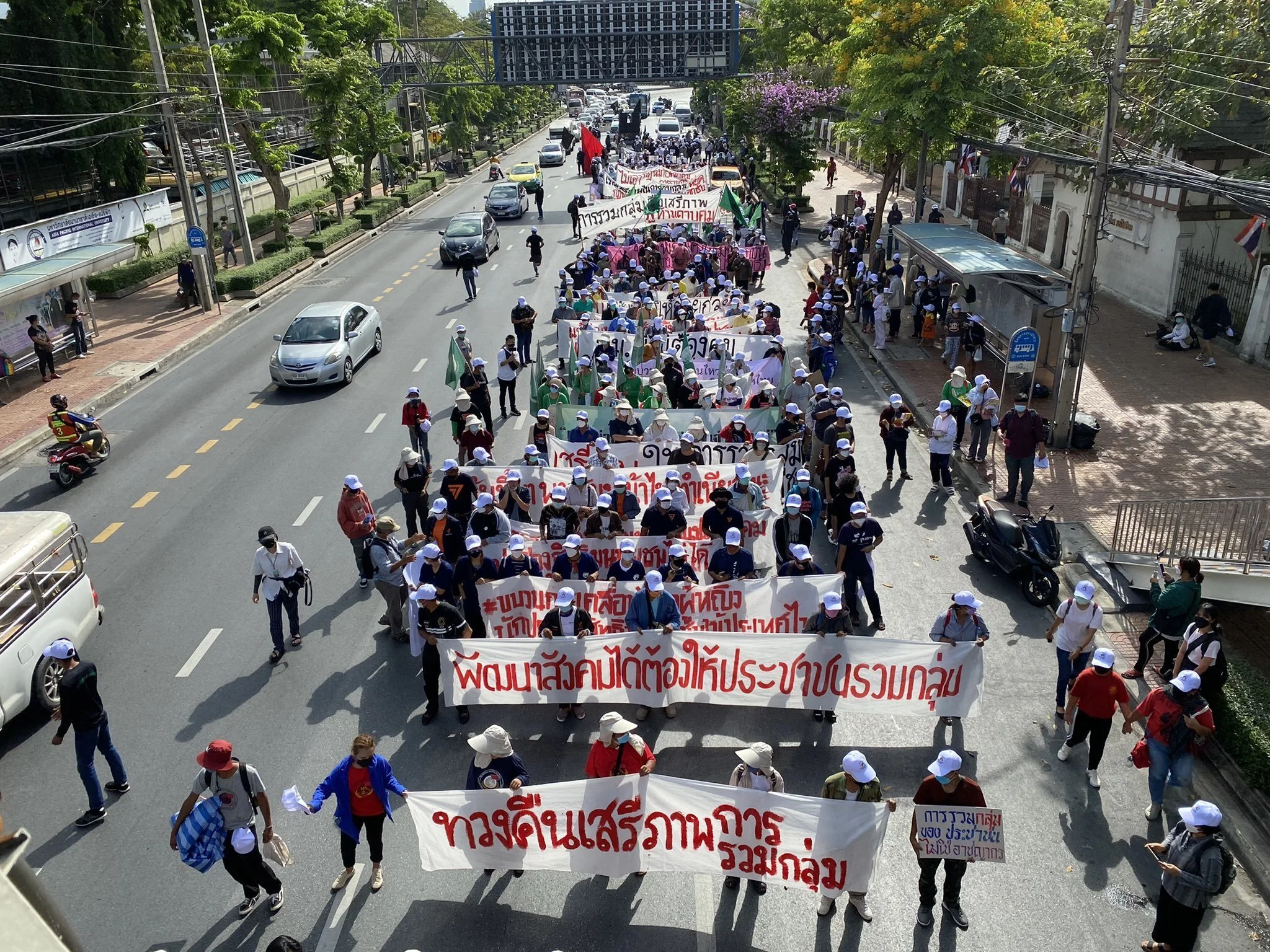
The first phrase, “Shut Down the Mine,” has already been realized, following years of intense community organizing, public advocacy, and courtroom battles. The gold mine operated by Tungkum Co., Ltd. was found to have caused pollution, harming both nature and public health. The court ruled that the company had forfeited its mining concession and was legally obliged to restore the environment to safety. However, the company later filed for bankruptcy. Thailand still has no law, no national fund, and no responsible public body to restore areas affected by public pollution. Three massive mining pits remain and the pollution in the soil, water, and local food continues to grow. Arsenic contamination in the land was measured at 1,800 times higher than the Thai Pollution Control Department's standard.
“We can’t remove the toxic heavy metals from the soil ourselves. We can’t even see them. We don’t know what they look like,” says Rotjana Kongsaen, a leader of Khon Rak Ban Kerd Loei Group (KRBK). But they will not wait for the state to save them. The community is now working together to revise a holistic restoration plan on restoring the ecosystem, local economy, public health, social relationships, and the community’s dignity. They are proposing that the former gold mining concession area, which was once a national forest reserve, be transformed into a community forest managed under Thailand’s Community Forest Law, by the people themselves.
Last year as a part of their restoration plan, the mothers and grandmothers of the village launched a one-of-a-kind initiative: The Weaving School for Revitalizing Lives and Community Nature. It's a school without blackboards or ringing bells, and instead filled with cotton flowers, spinning wheels, looms, and weaving tools. This weaving school, dedicated to restoring both nature and community life, officially opened in 2024, enrolling students and teachers from within the community. After using cloth as a symbol and tool to resist the gold mining company — which had severely damaged their soil, water, and health — they chose to heal and restore with their own hands.
I visit this school regularly. I see grandmothers bent over their weaving without stopping, even on rainy days when the metal roof clangs loudly. On days when heavy storms threaten, or cold days when they wrap themselves in padded blankets while sitting at the loom, the weaving never stops. The threads come from cotton they plant together, spun into yarn, dyed with leaves and bark, and patterned with designs passed down from their great-grandmothers — or sometimes invented from imagination.
“Weaving is like coming home,” they say. In this sense, the “weaving school” is a place of healing. Here, children learn from elders, grandmothers pass down their weaving shuttles to daughters, while daughters proudly present their work to the public.
The path for the community to overcome this hardship lies in understanding and empathy, not letting anyone suffer alone. Efforts to restore the community's dignity, through forest planting activities, traditional rituals, and paying respect to mountain spirits, are rebuilding the community. This journey is about more than just restoring land — it is about healing the home, the community, and the generations to come. We warmly invite you to join us in this vital work, as we bring life back to the mountain and heart of this community and our own.
Bampen Chaiyarak
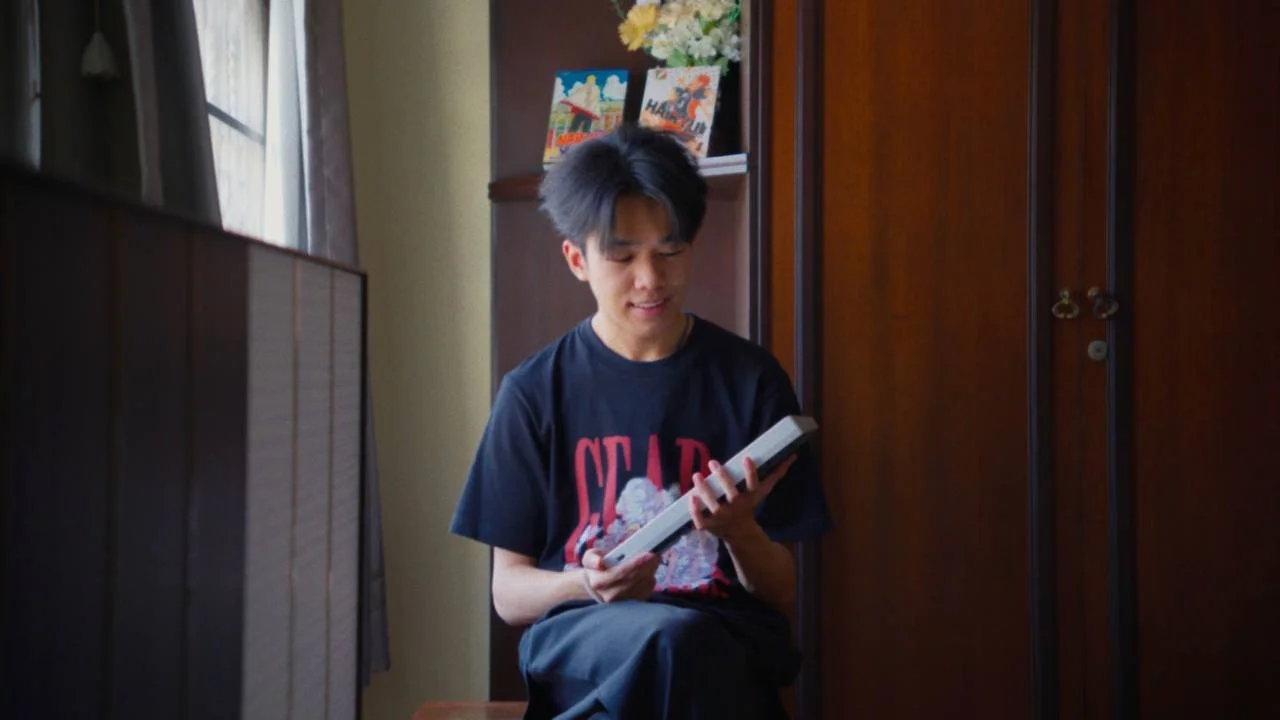
Titipong Mahattanasin - Social Media Officer
Get is a storyteller and content creator at RadGram. With a background in International Relations and a current Master’s in International Development at Chulalongkorn University, he brings a deep commitment to social issues, environmental justice, and community-based advocacy. At RadGram, he works on communications and visual storytelling. Get is passionate about amplifying voices that challenge extractive systems and imagine better futures.
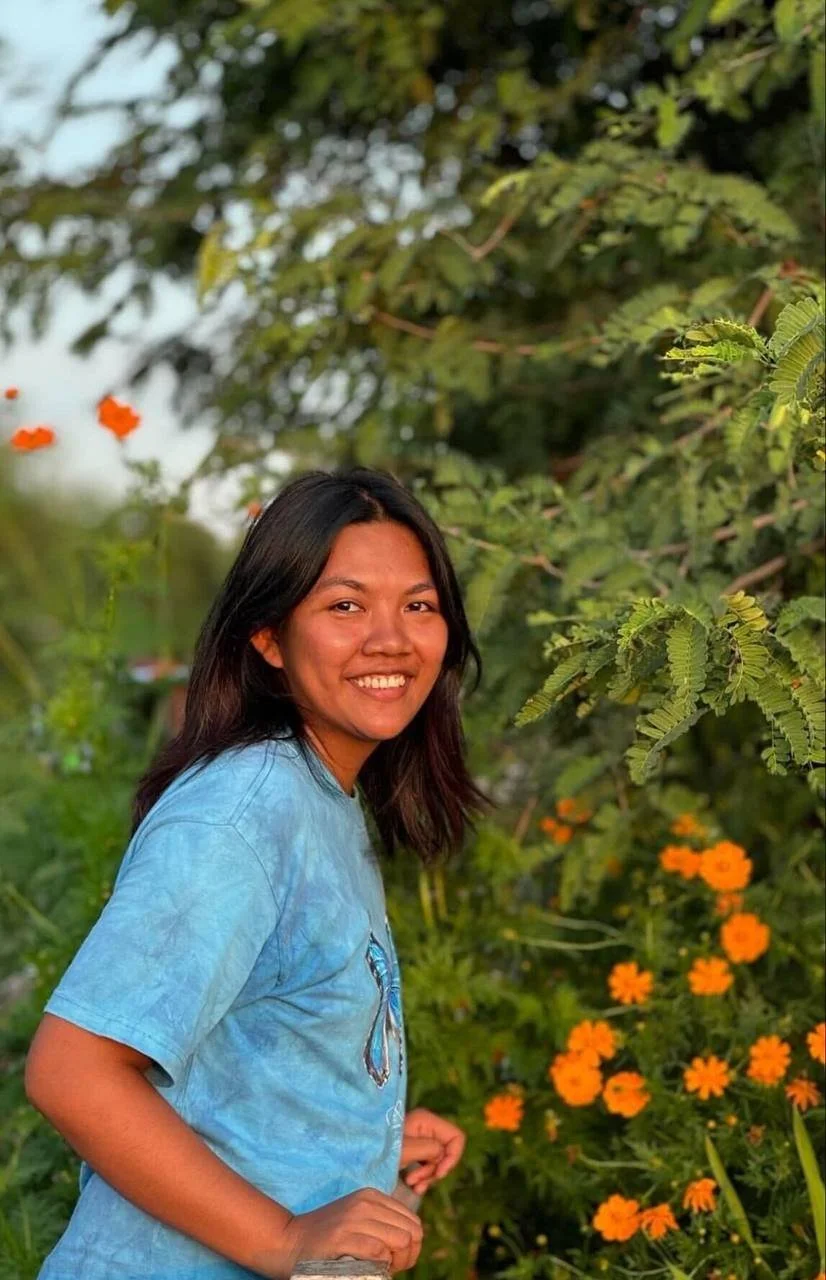
Jirajade Wisetdonwail - Community Program Officer
Maprang first connected with the grandmothers of Na Nong Bong during Thailand’s 2021 pro-democracy movement. Moved by their radical spirit, she supported their fight, first as a fan, then later joining the community as a staff member. Her role at the Weaving School bridges her background as a teacher and activist, supporting community-led learning, research, and ecological restoration. She is passionate about nature-based education and the passing down of local wisdom.
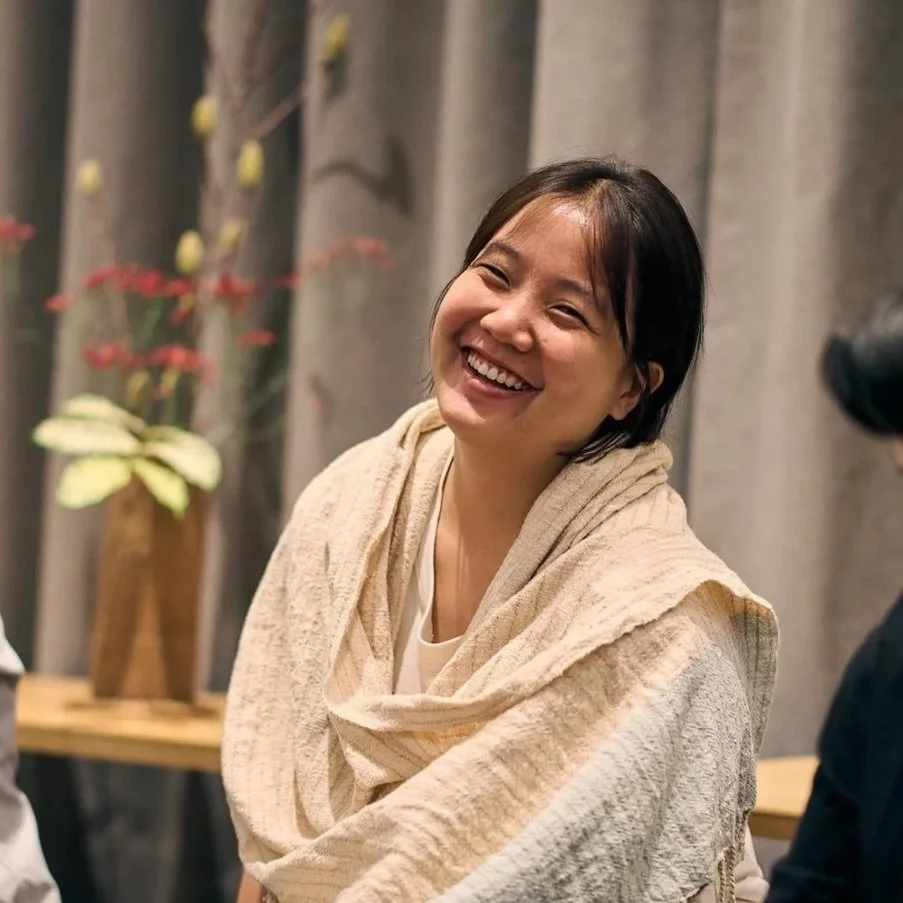
Thitiworada Koitong - Communications Officer
Care joined RadGram in 2025 and connect the communities’ stories to share with RadGram community. She holds a Bachelor degree of Arts from Chulalongkorn University in Thailand. She is very passionate about visual storytelling, holistic healing and collective care.
Our Board of Directors
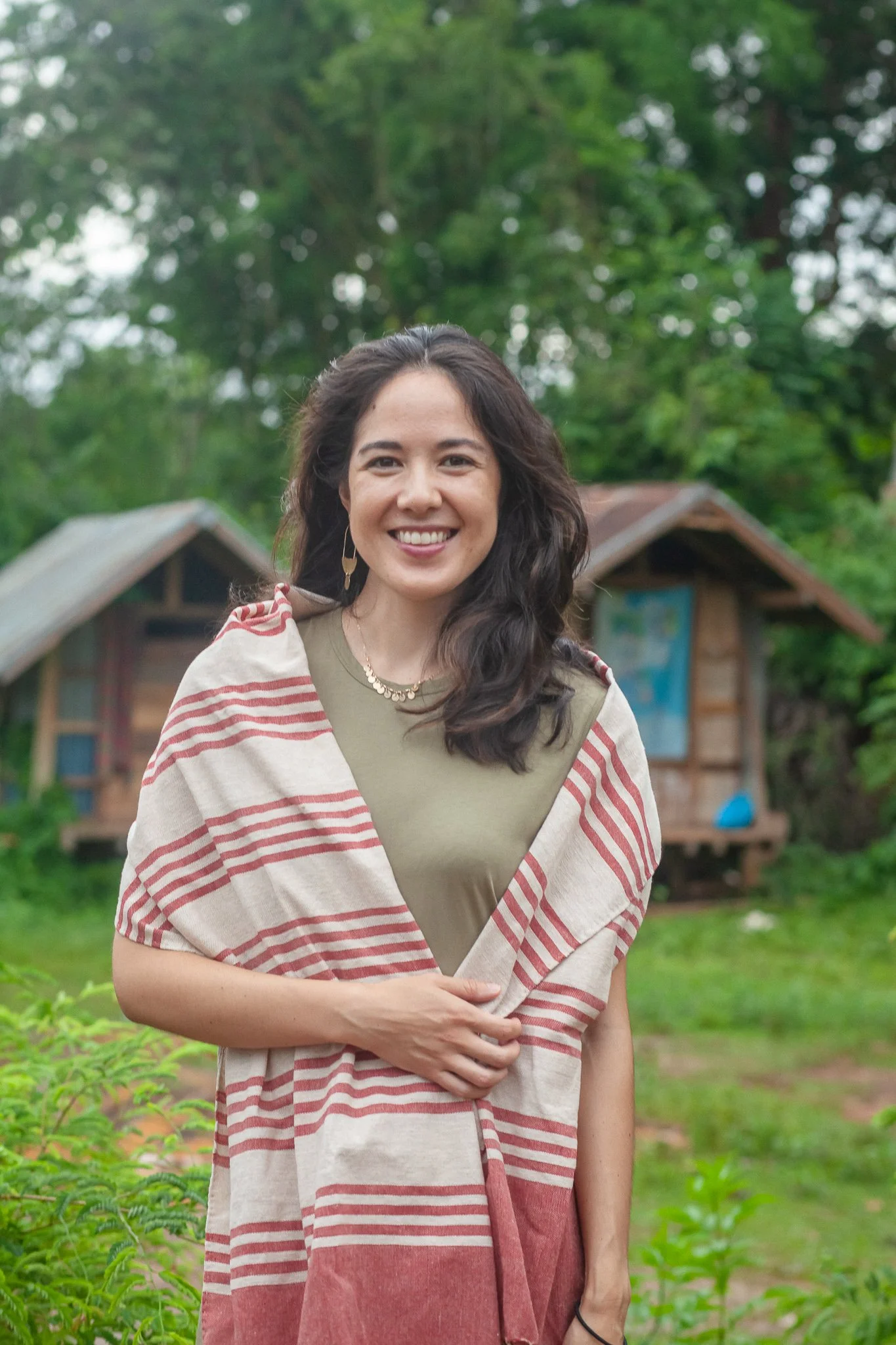
Mariko Powers - Board President
Mariko is a co-founder and President of the Board of the Radical Grandma Collective. She was introduced to Northeast Thailand through a study abroad program focused on Development and Globalization in 2011 and returned from 2015-2016 to further deepen her relationships with communities impacted by extractive industries. She holds a Master’s degree in International Environmental Policy from the Middlebury Institute of International Studies in Monterey and currently works in the philanthropy sector supporting global ocean conservation at Oceankind.
-
One of the joys of working with RadGram since its inception has been watching the organization evolve from an unnamed project — born from the passion of Khon Rak Ban Kerd Loei (KRBK) and the internet marketing skills of their friends from the US — into a trusted, nimble organization that strategically defends communities’ environmental sovereignty, cultural legacy, and social and economic wellbeing.
In 2024, RadGram hit an important milestone in its maturity: putting pen to paper to articulate our theory of change. The result was a carefully crafted framework that advances an integrated vision of community and environmental prosperity by securing healthy ecosystems, promoting a thriving community-based economy, supporting strong community movements, and reinforcing collective care. While RadGram has opportunistically developed and supported projects within these themes for years, stitching them together into a collective framework felt revelatory and familiar all at once, perhaps not unlike the sensation of tying the final knots on a handwoven scarf.
Notably, the communities we partner with have successfully shifted their focus from reactive mining resistance to proactive strategies that lay stepping stones for a thriving community nestled in abundant forest ecosystems. Highlights from our partnerships this year include successfully launching the Weaving School for Revitalizing Lives and Community Nature. (which enrolled 12 students!), conducting research on the psychosocial impacts of mining, and launching a website promoting tourism for Dong Mafai. RadGram also hired three additional staff members, who have each already deepened the organization’s reach and impact.
As we look to 2025, the RadGram team is focusing on deepening our impact through the four pillars of our work. Over the next year, we will
continue facilitating knowledge and inspiration to fulfill the community’s vision of restoring their local ecosystems,
sustain the communities’ economies by helping them share their historical and cultural heritages with the world,
responsively resource environmental justice and democratic movements, and
strategically address the psychosocial needs of the communities long impacted by mining.
By continuing to work alongside our partners, we can ensure that communities in Isan remain the custodians of their resources and lives.
Mariko Powers
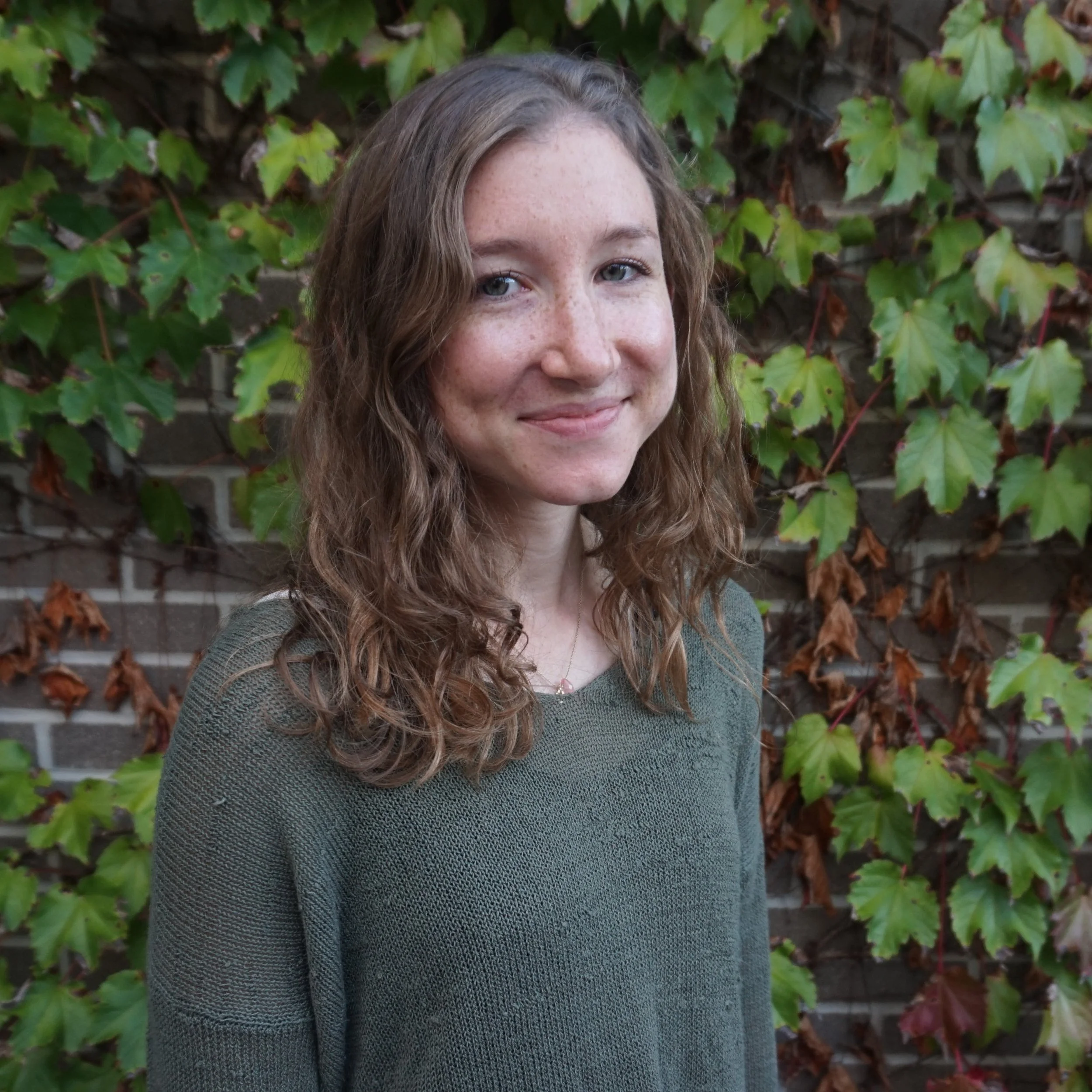
Sam Usavage - Board Secretary
She joined the team in 2021 after connecting with the Radical Grandma Collective in 2017 during a study abroad program in Thailand. She is passionate about the power of business for making change and promoting responsible consumerism and brings e-comm operations and product innovation experience to the team. Sam holds a Bachelor’s degree in Supply Chain Management from Penn State University and works to match supply chain practices with solid sustainability principles.
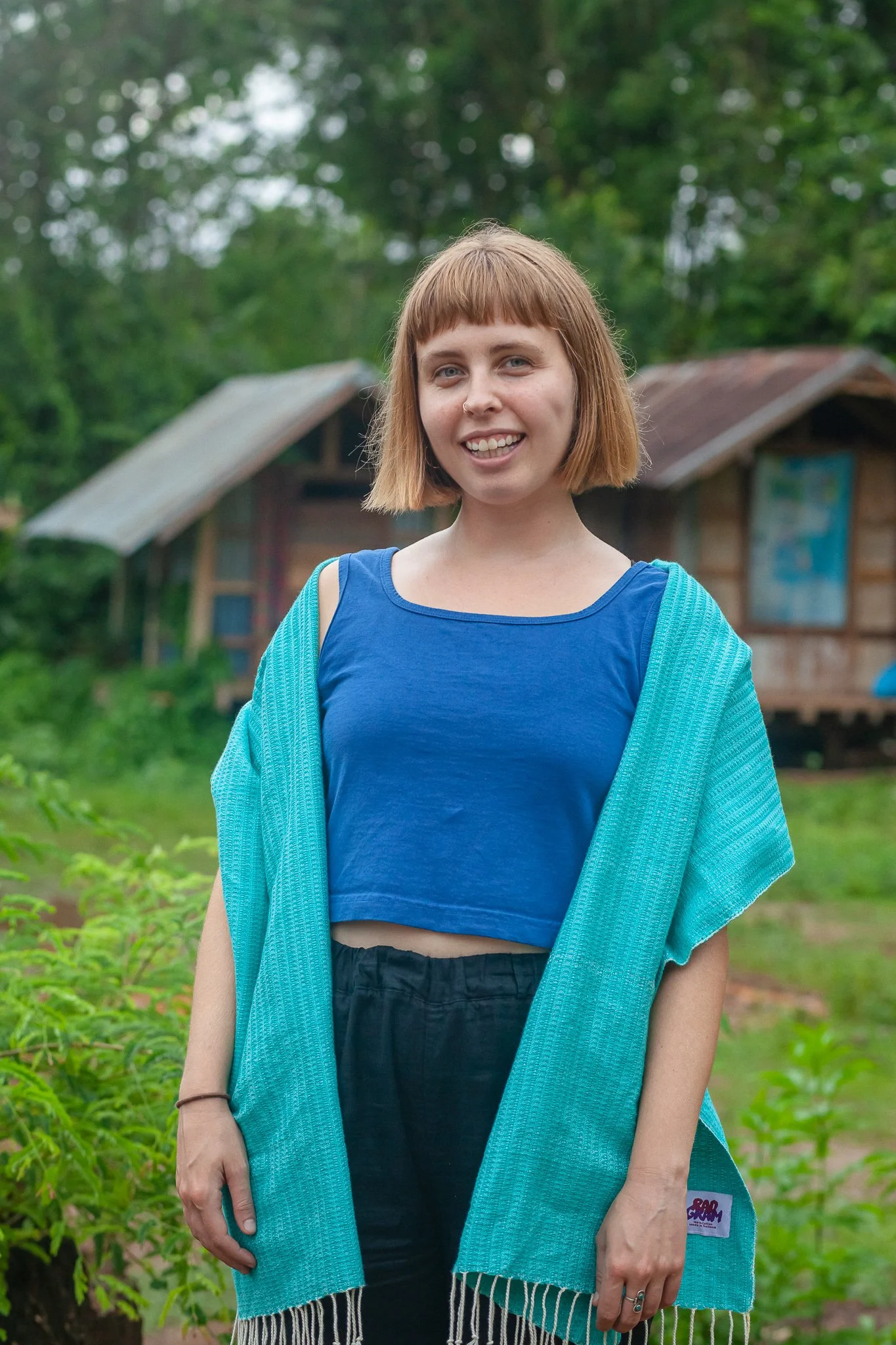
Zoe Swartz
Zoe is a co-founder and a member of the Board. Her expertise in making complex situations into accessible, engaging stories helps educate consumers on the women behind the Radical Grandma products. Zoe is a Master of Landscape Architecture Candidate at the University of Texas-Austin with an interest in public interest design, visual storytelling, and the relationship between the healing of the land and the healing of people.
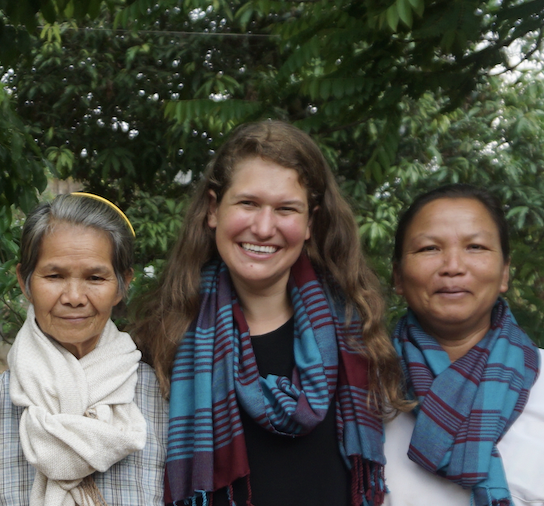
Katie Mathieson - Board Treasurer
Katie is the Board Treasurer and co-founder. Her role as the Director of Davidson Outdoors at Davidson College allows her to provide experience in group facilitation, risk management, and financial management. Katie holds a Bachelor’s degree in Environmental Studies from Davidson College. Whenever she can, Katie also enjoys spending time designing graphics and creating video content for RadGram.
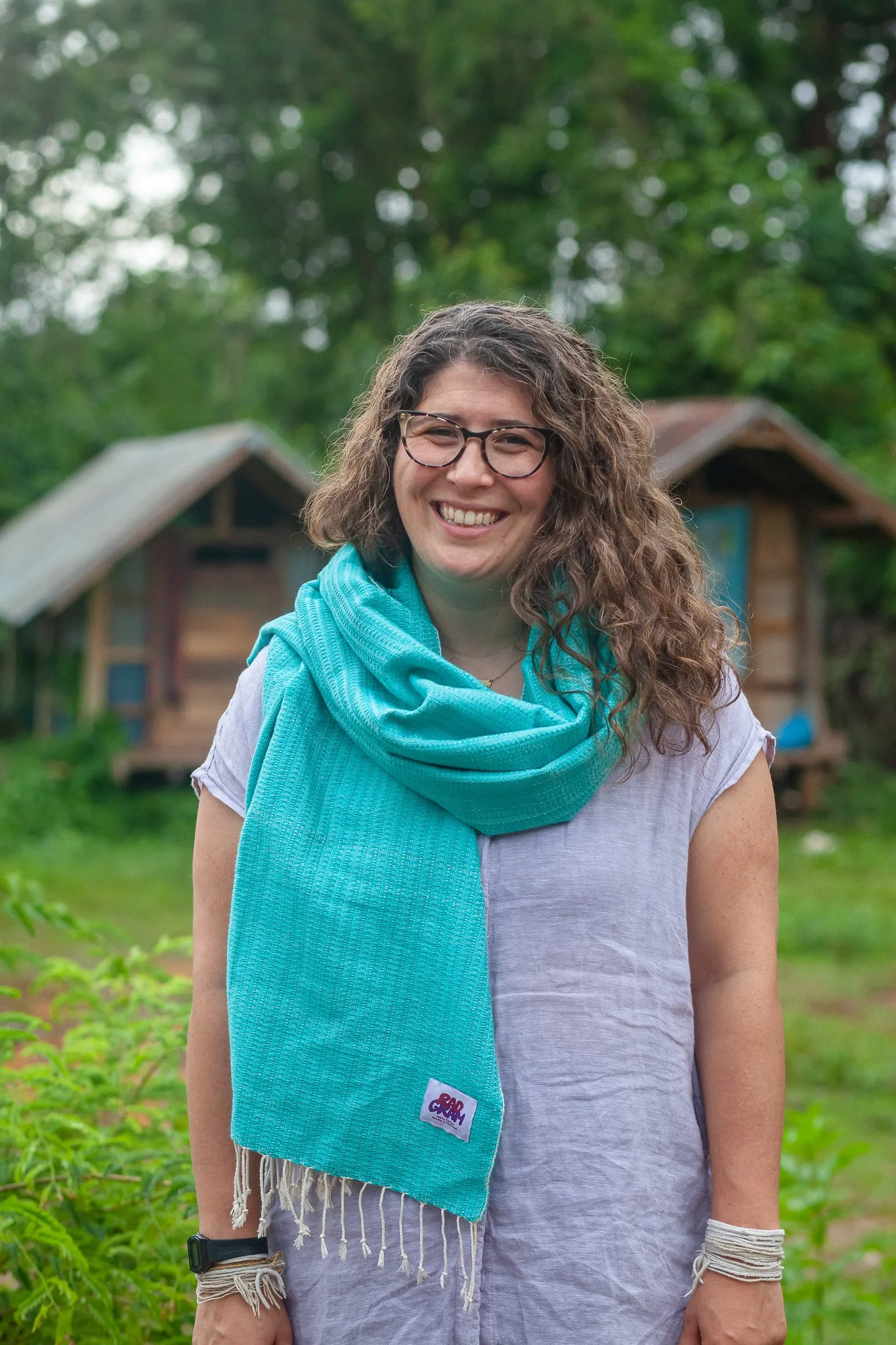
Larissa Gaias
Larissa is a board member on the community impact team. She joined the board in 2022 after studying in northeastern Thailand between 2010-2012 and volunteering with Radical Grandma Collective in 2021. She brings her experience conducting community-grounded research to support the well-being of youth and other community members through the development, implementation, and evaluation of equity-explicit practices and policies. She holds a PhD in Family & Human Development and works as a faculty member at the University of Massachusetts Lowell.
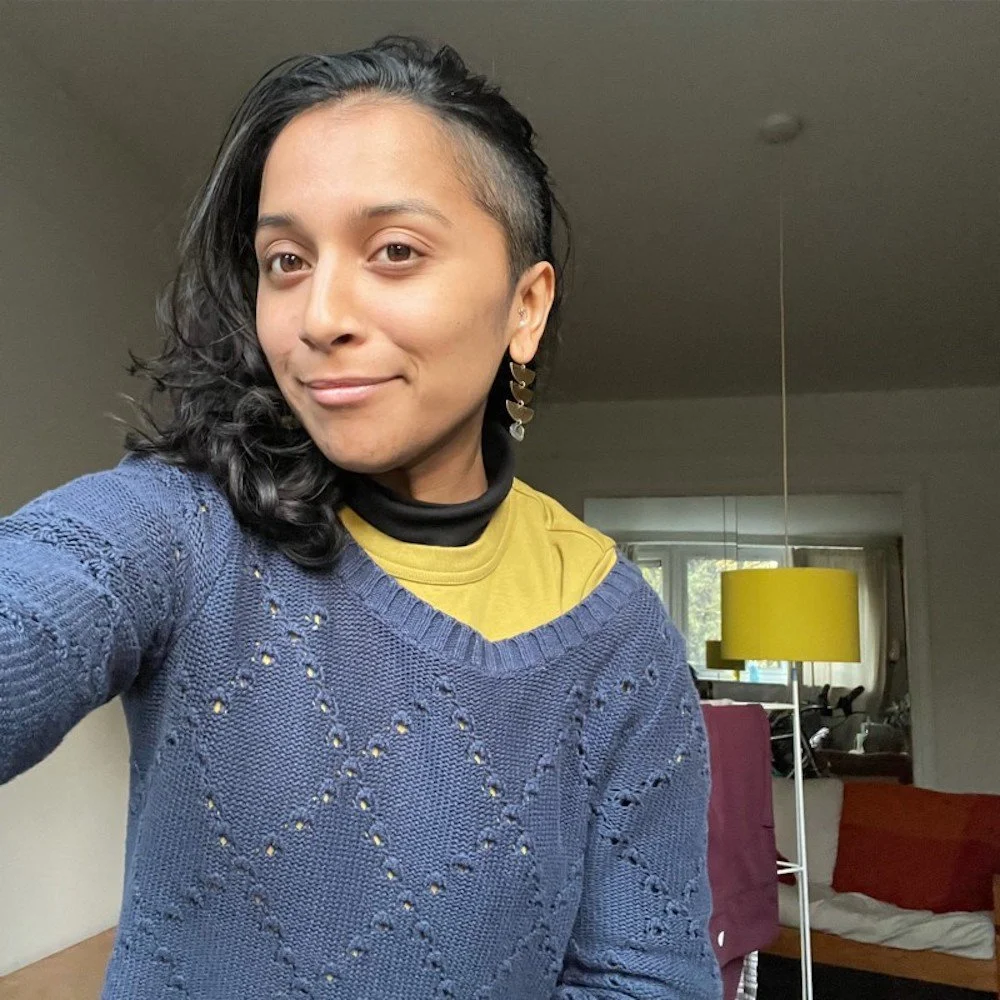
Praveena Fernes
Praveena is a board member and joined the Radical Grandma Collective team in 2017. She brings expertise in community-based participatory research and ethical storytelling to RadGram. She holds a Bachelor’s degree in Public Health from Tulane University, a Master’s Degree in Political Ecology from SOAS University of London, and is currently a PhD candidate at the London School of Hygiene and Tropical Medicine at the University of London in the field of Public Health & Policy. Her work strives to decrease health inequities through transdisciplinary research-to-action partnerships between scholars and rights-holders.
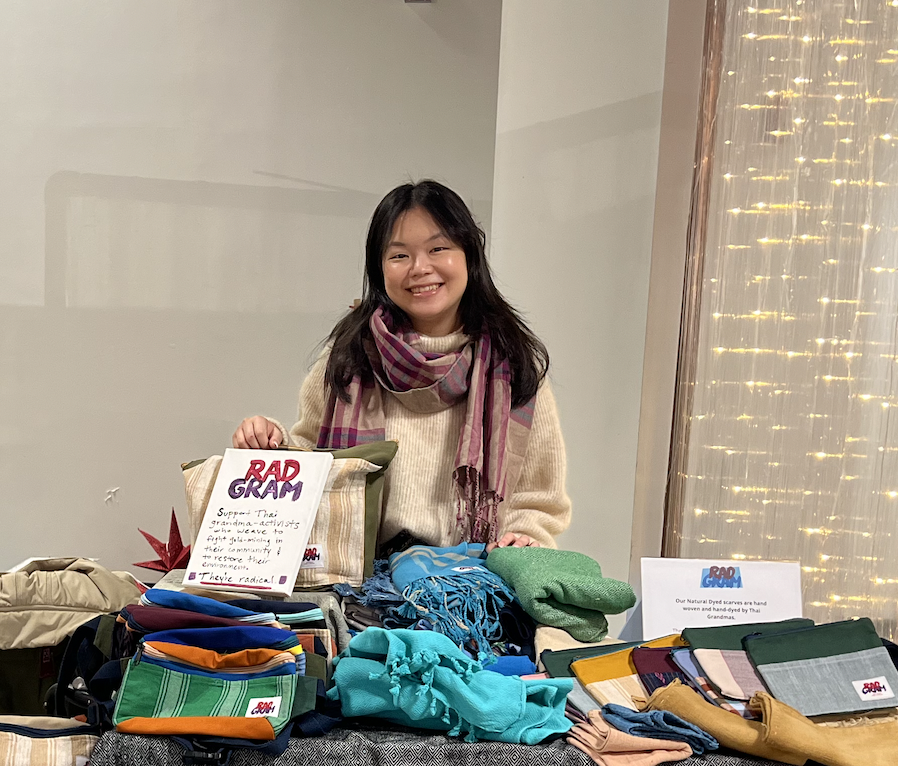
Pang Boonbaichaiyapruck
Pang is a board member and joined the Radical Grandma Collective team in 2022. She is from Bangkok and is excited about textiles, community, and sustainability. She holds a Bachelor’s degree in International Relations from Pomona College and currently works in renewable energy investments.
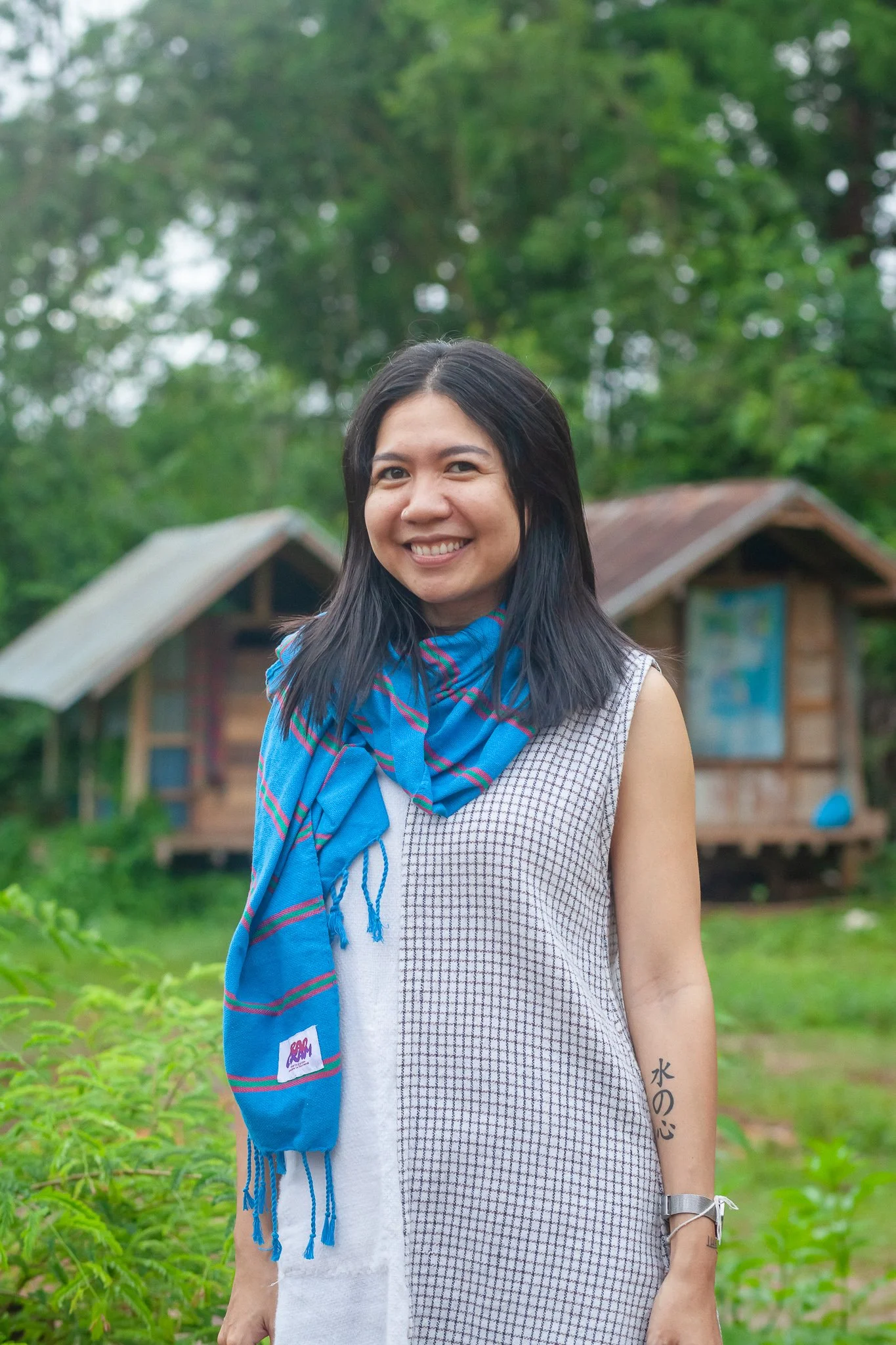
Sulakshana Lamubol
Sulakshana Lamubol (Fai) is a board member on the community impact team. She joined RadGram as a volunteer and joined the board during 2022-2023. She brings vast experiences working in Thai and regional civil society to support RadGram’s strategic engagement and protection work with communities and human rights defenders. She is passionate about environmental justice, art and textiles, and solidarity building across groups and countries. She holds a M.A. in Public Policy from Central European University in Hungary and a B.A. in History and Political Science from Chulalongkorn University in Thailand.
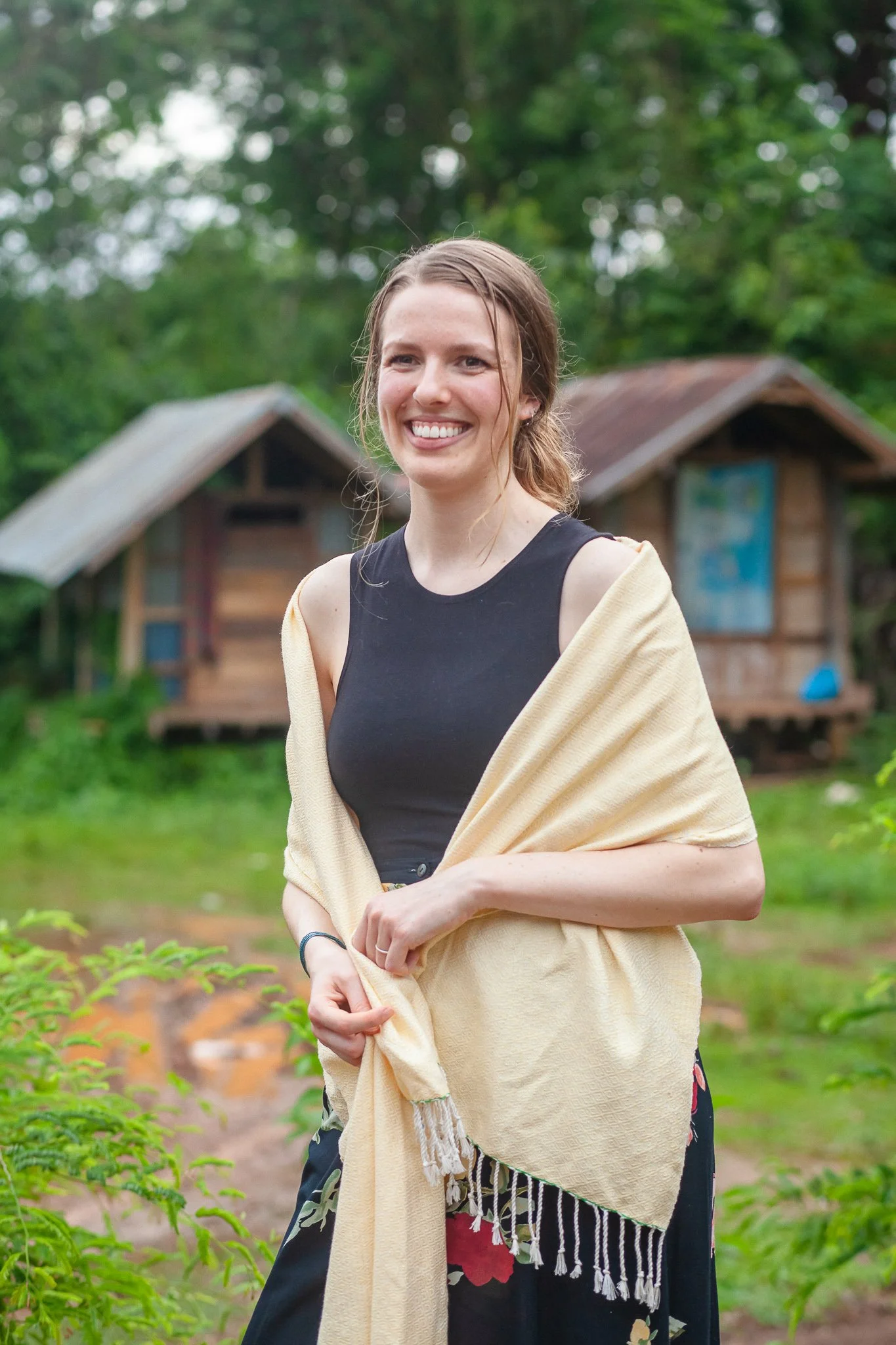
Emily Anderson
Emily joined RadGram’s board as a volunteer in 2022 and as an official member in 2023. She has primarily worked for environmental organizations focusing on biodiversity and conservation; however, she is passionate about human rights defense, environmental justice, and connecting people to urgent issues through storytelling. She holds a BS in Ecology and Environmental Science from the University of Maine and a Master’s degree in Environmental Law and Policy from Vermont Law & Graduate School.
Volunteers
We have many people that support our work every day, from hosting markets, lending creative talents, and communicating our message. Thank you: Alexandra Dalferro, Beth Eanelli, Cait Goss, Dre Liuliu, Greg Francois, Komal Kaur, Megan Curling, Taylor Dykes, Sofia Antonelli, and MANY others